Effective Strategies to Look After Cut Arrangements
Posted on 08/05/2026

Introduction
Nothing transforms a room quite like fresh flowers. Yet too often, dazzling bouquets fade quickly due to a few avoidable missteps. This expert guide reveals Effective Strategies to Look After Cut Arrangements so they stay vibrant for days longer--sometimes weeks--saving you money, reducing waste, and elevating every space they inhabit. Drawing on professional floristry practice and postharvest floral science, you'll learn exactly how to condition, place, feed, and maintain your cut arrangements for maximum vase life. Whether you're caring for a hand-tied bouquet, a centerpiece in floral foam, or a bespoke corporate display, this comprehensive resource will help you achieve consistent, long-lasting results.
We combine hands-on experience with evidence-based techniques used by florists, stylists, and venues worldwide. By the end, you'll have a simple, repeatable system to keep your flowers fresher for longer--without expensive gadgets or guesswork. If you've ever asked, "What are the most effective strategies to look after cut arrangements?" this guide gives you the clear, trustworthy answers.
Table of Contents
- Why This Topic Matters
- Key Benefits
- Step-by-Step Guidance
- Expert Tips
- Common Mistakes to Avoid
- Case Study or Real-World Example
- Tools, Resources & Recommendations
- Law, Compliance or Industry Standards (UK-focused)
- Checklist
- Conclusion with CTA
- FAQ
Why This Topic Matters
Fresh flowers are more than decor. They influence mood, productivity, and perceived quality of spaces--from homes and restaurants to hotels and offices. In the UK's multi-billion-pound cut flower market, ensuring longevity is both a sustainability imperative and a savvy financial choice. The better you maintain your arrangements, the fewer stems you waste and the less frequently you need replacements. Effective Strategies to Look After Cut Arrangements also help venues meet client expectations, support brand image, and reduce the environmental footprint associated with expedited deliveries and frequent reorders.
Care practices directly affect vase life. Water chemistry, sanitation, temperature, and ethylene exposure can either extend a bouquet's beauty or shorten it. In hospitality and events, longevity influences customer satisfaction scores and repeat business. At home, it's about serenity and value--getting the most from your purchase. With a little knowledge and the right routine, you can add several days to most arrangements, turning short-lived displays into lasting experiences.
Key Benefits
- Longer vase life: Proper conditioning and water management can add 3-7+ days to many cut arrangements.
- Better appearance: Correct placement and hydration keep petals crisp, colors saturated, and foliage glossy.
- Cost savings: Extending life reduces replacement frequency, delivering substantial savings over time.
- Sustainability: Less waste, fewer emergency deliveries, and a smaller carbon footprint.
- Consistency: A proven routine ensures reliable results for events, hospitality, and workplaces.
- Safety and hygiene: Following safe handling and cleaning protocols protects people and pets.
- Professional polish: Advanced techniques (anti-ethylene measures, correct pH, stem conditioning) create a standout finish.
Step-by-Step Guidance
Below is a practical, repeatable system that embodies Effective Strategies to Look After Cut Arrangements--from unboxing to weekly upkeep.
1) Unpack and Assess Immediately
- Unbox carefully: Remove all packaging. If delivered during cold or hot weather, allow flowers to acclimatise for 30-60 minutes away from radiators or direct sun.
- Inspect quality: Check for broken stems, bruised petals, or crushed foliage. Remove any damaged parts with clean, sharp scissors or a floral knife.
- Sanitise your tools: Wipe blades and the sink area with a mild bleach solution (about 1 teaspoon of unscented household bleach per 1 litre of water), then rinse. Clean tools prevent bacterial spread.
2) Clean and Prepare Vessels
- Wash vases/buckets: Scrub with warm soapy water, then sanitise. Rinse thoroughly. Invisible biofilms drastically shorten vase life.
- Fill with fresh water: Use cool, potable water. Ideal pH for most cut flowers: 3.5-5.5 when using flower food. If your tap water is very hard, consider filtered water.
- Add flower food: Use commercial sachets exactly as directed. They balance pH, feed stems, and control microbes.
3) Condition the Stems
- Recut stems: Trim 1-3 cm off the ends at a 45? angle using sharp tools. Cut above any dried or discoloured tissue.
- Strip lower foliage: Remove leaves and thorns below the waterline to prevent rot and bacteria growth.
- Hydration rest: Place stems immediately into prepared water for at least 1 hour before arranging. For very thirsty blooms (e.g., hydrangea), give 2-4 hours.
4) Arrange Thoughtfully
- Support the structure: In vases, use a grid of floral tape, chicken wire, or a pin frog for stability and air circulation. In floral foam, don't overpack.
- Mind stem types:
- Woody stems (roses, lilac, viburnum): Benefit from a fresh angled cut; for tough stems, a gentle vertical split 1-2 cm can aid uptake.
- Soft/herbaceous stems (tulips, ranunculus): Keep cuts clean and avoid crushing tissue.
- Bulb flowers (daffodils, hyacinths): Precondition daffodils separately for 4-6 hours to allow sap to drain; then arrange with other flowers.
- Latex-heavy stems (poppies): Sear ends briefly in hot water or a flame and immediately place in cool water to prevent exudate blocking.
- Mind pollen and sap: Remove lily anthers to avoid stains and extend bloom life. Keep narcissus sap away from others unless preconditioned.
5) Placement and Environment
- Light: Bright, indirect light is ideal. Avoid direct sun which accelerates transpiration.
- Temperature: Cooler rooms (18-21?C) extend longevity. Keep away from radiators, fireplaces, and warm appliances.
- Drafts and heat sources: Avoid air vents, heaters, and doorways that cause temperature swings.
- Ethylene control: Keep arrangements away from ripening fruit, cigarette smoke, exhaust fumes, and stale, unventilated areas. Ethylene is a natural plant hormone that hastens aging.
6) Daily and Two-Day Maintenance Routine
- Top up water daily: Ensure stems are fully submerged. In floral foam, keep foam consistently moist--never let it dry.
- Change water every 2-3 days (vases): Wash the vase, refresh solution with correct-dose flower food, and recut stems 1 cm each time.
- Groom the arrangement: Remove faded blooms and yellowing leaves. Rotate the vase for even light exposure.
- Night cool-down: If possible, place arrangements in a cooler spot overnight to slow respiration (avoid domestic fridges if they contain fruit).
7) Special Handling by Flower Type
- Roses: Remove guard petals only if bruised. Recut every 2 days. If drooping, hydrate upright in deep, tepid water for several hours.
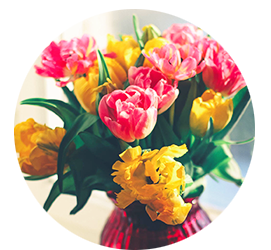
- Tulips: They continue to grow and arc toward light. Use tall vases and rotate daily.
- Hydrangeas: Very thirsty. Mist lightly, recut often. A hot-water dip (10-20 seconds) followed by cool water can revive floppy heads.
- Gerbera: Prone to stem bacteria. Use shallow water (5-7 cm) and add a support grid if necessary.
- Orchids: Prefer warm, stable conditions and soft, clean water. Avoid drafts.
- Lilies: Remove pollen. Keep away from cats (toxic if ingested).
- Daffodils (Narcissus): Precondition separately; mix later to avoid sap damage.
8) Working With Floral Foam (If Used)
- Soak correctly: Let foam freely absorb water; don't force it under the surface. Add flower food to the soaking water.
- Never re-soak dried foam: Replace instead. Dried foam won't rehydrate evenly.
- Hydration checks: Top up the container daily. Foam dries from the top and edges first.
- Disposal: Used foam is not recyclable; bag and bin per local guidance (see UK compliance section).
9) Transporting Arrangements
- Stabilise: Use non-slip mats and keep vases upright. For hand-tied bouquets, a water-filled travel vase or hydration wrap helps.
- Temperature: Avoid hot boots or freezing drafts. Aim for 10-15?C in transit.
- Immediate refresh: On arrival, recut stems and refresh water to restore turgor.
Expert Tips
- Use the right dose: Over-concentrated flower food can dehydrate; too weak won't control microbes. Follow packet instructions.
- DIY solution (if needed): In a pinch, per litre of water use ~10 g sugar, a squeeze of lemon, and 1-2 drops of unscented bleach. Commercial formulas are still superior.
- pH matters: Slightly acidic water improves uptake. If your water is very alkaline, consider a commercial acidifier.
- Anti-ethylene measures: Some flowers (carnations, alstroemeria, snapdragons) are ethylene-sensitive. Keep them away from fruit and fumes; ask your florist about 1-MCP pretreatments.
- Don't cut under running water: A clean angled recut and immediate placement is typically enough; under-water cutting is rarely necessary and can spread microbes.
- Hydration depth: Deep water for wilt-prone blooms during conditioning; normal levels for display. Gerberas prefer shallower water to reduce stem rot.
- Humidity helps: In very dry homes, a cool-mist humidifier nearby (not directly on blooms) slows desiccation.
- Staggered blooming: Combine tight and open blooms to enjoy evolving texture and longer display time.
- Rotate stock: For weekly subscriptions or workplaces, keep a log of arrival dates and maintenance to anticipate refresh points.
- Pet-safe choices: If cats are present, avoid lilies. Opt for roses, gerbera, snapdragons, or orchids, and confirm toxicity lists.

Common Mistakes to Avoid
- Dirty vases: Residual bacteria will collapse stems in days.
- Letting leaves sit in water: This accelerates decay and slime formation.
- Skipping recuts: Blocked xylem channels reduce uptake; trim every 2-3 days.
- Direct sun and heat: Rapid transpiration shortens life; place in cool, indirect light.
- Ignoring ethylene sources: Bowls of fruit or smoke nearby can cause sudden petal drop.
- Overcrowding foam: Poor airflow and water access shorten vase life.
- Wrong additives: Aspirin, fizzy drinks, or copper coins are unreliable and can harm flowers.
- Using scented bleach or harsh cleaners: Residues may damage delicate stems--use unscented, correct dilutions, and rinse.
Case Study or Real-World Example
Client: A London boutique hotel with a busy lobby and restaurant wanted longer-lasting arrangements without increasing weekly budget.
Initial situation: Displays were replaced every 4-5 days due to wilting roses, floppy hydrangea, and yellowing foliage. Vases were rinsed but not sanitised; arrangements sat near the entrance and a fruit display.
Intervention: We implemented Effective Strategies to Look After Cut Arrangements as a standard operating procedure:
- Introduced a sanitation protocol: wash and disinfect vases; sterilise tools daily.
- Used correct-dose professional flower food and slightly acidified water.
- Recut stems on arrival and every 2-3 days; stripped all foliage below the waterline.
- Relocated displays away from the fruit station and automatic doors to reduce ethylene and drafts.
- Adopted chicken wire structures instead of dense foam for better airflow in vases.
- Added nightly cool-down by moving arrangements to a lower-temperature back room.
Results (8-week average):
- Lobby arrangements lasted 9-12 days (up from 4-5).
- Hydrangea collapse reduced by ~70%.
- Weekly spend stayed flat; labour reallocated from full replacements to quick maintenance.
- Guest satisfaction comments mentioned 'fresh flowers' 2.3x more frequently.
Tools, Resources & Recommendations
These tools underpin Effective Strategies to Look After Cut Arrangements and make your routine fast and reliable.
- Sharp floral knife and bypass secateurs: Clean cuts prevent stem crushing.
- Unscented household bleach: For surface and vase sanitation at safe dilutions.
- Commercial flower food: Balanced formula with acidifier, sugar, and biocide.
- Clean microfibre cloths and bottle brushes: To remove biofilms inside narrow-neck vases.
- Chicken wire, floral tape, or pin frogs: Eco-friendlier mechanics than dense foam for many designs.
- Buckets for conditioning: Food-safe, clearly labelled, used only for flowers.
- Mist bottle and hygrometer: For gentle foliage misting and monitoring dry rooms.
- Cool, ventilated storage area: Even a spare room out of sunlight helps overnight longevity.
- Logbook or digital checklist: Track arrival dates, water changes, and recuts to ensure consistency.
Authoritative references for further reading include guidance from the Royal Horticultural Society, the British Florist Association, and postharvest research from recognised floriculture institutions. These sources align with the best-practice methods outlined here.
Law, Compliance or Industry Standards (UK-focused if applicable)
Looking after cut arrangements intersects with a few practical compliance points in the UK--especially for businesses and venues.
- COSHH (Control of Substances Hazardous to Health): If you use cleaning agents, bleach, or any chemical treatments, assess risks, store properly, and provide staff training and PPE as required.
- CLP Regulation (Classification, Labelling and Packaging): Ensure any chemical products used (e.g., biocidal vase cleaners) are labelled correctly and Safety Data Sheets are available.
- Waste Duty of Care: Dispose of floral waste responsibly. Floral foam offcuts and used blocks are generally not recyclable; bag and bin per local authority advice.
- Allergen and public safety: In public venues, consider signage for strong-scented or high-pollen arrangements. Avoid lilies where cats are present; lily pollen can be dangerous to them if ingested.
- Food areas: In cafes or restaurants, keep floral chemicals separate from food prep. Use clearly labelled, non-food containers for chemical dilutions and clean surfaces thoroughly.
- Water regulations: Use potable water for vases; never refill from non-potable sources.
- Sustainability commitments: Many UK organisations align with circular economy goals. Reducing flower waste and foam use supports ESG targets and tender requirements.
For corporate or event settings, it's good practice to maintain a simple SOP covering sanitation, safe chemical handling, and waste disposal to meet internal audits and client expectations.
Checklist
Use this quick checklist to embed Effective Strategies to Look After Cut Arrangements into your routine.
- On arrival: Unpack, inspect, sanitise tools, wash vases.
- Water prep: Fresh, cool water + correct-dose flower food (slightly acidic).
- Stem prep: Recut at 45?, strip leaves below waterline, hydrate 1-4 hours.
- Arrange: Provide structural support; consider stem type needs.
- Placement: Cool spot, indirect light, away from fruit and heat.
- Maintenance: Top up daily; change water and recut every 2-3 days.
- Groom: Remove spent blooms; rotate for even light.
- Special cases: Precondition daffodils; remove lily anthers; shallow water for gerbera.
- Foam: Soak naturally; never let dry; dispose responsibly.
- Safety: Follow COSHH/CLP guidance for any chemicals used.
Conclusion with CTA
Looking after cut arrangements isn't complicated--it's disciplined. Clean tools and vessels, the right water chemistry, smart placement, and a simple maintenance rhythm will add days of beauty to your blooms. These Effective Strategies to Look After Cut Arrangements are the same principles trusted by professional florists and venues to keep displays looking camera-ready.
Whether you're caring for a weekly bouquet at home or managing lobby arrangements with high visibility, small improvements in hygiene, hydration, and environment pay off fast. Start with the checklist, build your routine, and enjoy flowers that last longer, look better, and cost you less over time.
Get a free quote today and see how much you can save.
FAQ
How often should I change the water in a vase arrangement?
Every 2-3 days is ideal. Each time, wash the vase, refresh water with the correct dose of flower food, and recut stems by about 1 cm.
What's the best way to cut stems for maximum water uptake?
Use a sharp knife or bypass secateurs to make a clean 45? cut, removing 1-3 cm. Avoid crushing stems. Place back into water immediately.
Do I really need flower food, or is plain water enough?
Flower food significantly improves results by balancing pH, feeding stems, and controlling bacteria. Plain water works for a day or two, but longevity suffers.
How can I revive drooping roses?
Recut the stems, place them in deep, tepid water, and leave them undisturbed for several hours in a cool location. Ensure vases and tools are clean to prevent future droop.
Why do my hydrangeas wilt so quickly?
Hydrangeas are extremely thirsty. Recut frequently, condition for several hours, and consider a quick hot-water dip before placing in cool water. Light misting helps in dry rooms.
Is it safe to keep flowers near my fruit bowl?
No. Ripening fruit emits ethylene gas, which accelerates aging in many flowers. Keep arrangements away from fruit, smoke, and exhaust fumes.
Are lilies dangerous for pets?
Yes--lilies are highly toxic to cats if ingested. Avoid lilies in homes with cats and remove pollen to reduce stains wherever they're used.
Should I crush woody stems or split them?
Don't crush stems. A clean angled cut is best. For very woody stems, a gentle 1-2 cm vertical split can help, but keep the cut neat to avoid excessive damage.
What's the ideal room temperature for cut flowers?
Cool is best--around 18-21?C for display. Avoid direct sun, radiators, air vents, and heat sources to reduce transpiration.
Can I store arrangements in the fridge overnight?
Household fridges often contain fruit, which emits ethylene. If you must use a fridge, ensure it's clean, dedicated to flowers, and fruit-free. A cool room is usually safer.
How do I care for arrangements made with floral foam?
Let foam soak naturally in water with flower food; never force submersion. Keep it consistently moist and never let it dry out. Dispose of used foam according to local guidance.
Is there a natural alternative to commercial flower food?
Commercial formulas are best. In a pinch, per litre, mix about 10 g sugar, a squeeze of lemon, and 1-2 drops of unscented bleach. Results vary; monitor closely.
How can I reduce allergen exposure from flowers?
Choose low-pollen varieties, remove lily anthers, and place arrangements away from high-traffic areas. Regular grooming reduces airborne pollen from aging blooms.
What are the most Effective Strategies to Look After Cut Arrangements for events?
Condition stems well in advance, use clean mechanics, place arrangements last to avoid heat from setup lights, and keep a maintenance kit on site for quick recuts and top-ups.
Do I need to cut stems under water?
Usually not. A clean recut and immediate placement in prepared water is sufficient. Focus on sanitation, correct pH, and ongoing water changes for better results.
How can I tell if my water is too hard for flowers?
Frequent cloudy water and rapid slime can indicate hard or high-alkaline water. Try filtered water and always use commercial flower food to stabilise pH and reduce microbes.
What's the best way to transport a vase arrangement?
Stabilise the base with non-slip mats, keep it upright, avoid temperature extremes, and refresh water upon arrival with a quick recut of the stems.
Can I mix daffodils with other flowers?
Yes, after preconditioning. Let daffodils hydrate alone for 4-6 hours so sap exudes, then mix. Avoid recutting them once mixed to reduce sap release.
How often should I recut stems?
Every 2-3 days is a good rule. Combine recuts with full water changes and vase cleaning for the biggest impact on longevity.